
Blog
3D Printing Market Trends Buyers Should Watch
Demand for color variety, reliable stock and private label packaging is shaping how filament buyers choose suppliers.
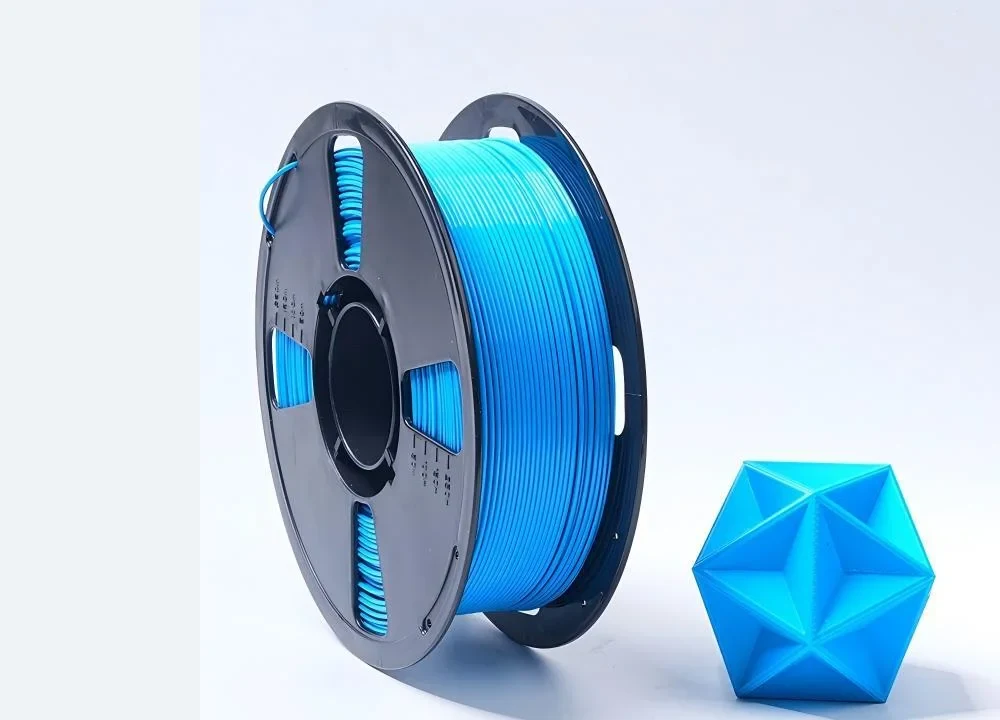
From lowest unit price to total landed value
Filament buying in 2026 is becoming more disciplined. Wholesale buyers, OEM brands, distributors and print farms still care about price, but the first question is no longer only “how much is one spool?” A better question is “what does one sellable, printable, traceable spool cost after freight, duty, warehousing, returns and support?” A low quote can become expensive if cartons arrive crushed, colors shift between batches, labels are inconsistent, or the next replenishment shipment cannot be scheduled on time.
For B2B buyers, total landed value includes material stability, order predictability, packing efficiency and supplier communication. A supplier that provides clear batch records, practical packaging choices and reliable production windows can reduce hidden costs across the whole supply chain. This matters for retailers launching a private label line, print farms running the same model every day, and regional distributors balancing cash flow with warehouse space.
Batch stability is becoming a purchasing requirement
As 3D printing moves from hobby use into education, small manufacturing, fixtures, farm production and branded consumables, buyers expect repeatability. Diameter tolerance, roundness, winding quality and moisture control all influence whether a filament can run smoothly across many machines. A single test spool may look good, but a bulk order needs the same behavior across cartons, pallets and repeat shipments.
Before placing volume orders, buyers should ask how diameter is monitored, how production lots are identified, and whether COA or QC records can be supplied when needed. The goal is not paperwork for its own sake. It is to make troubleshooting faster. If a customer reports stringing, under-extrusion or color mismatch, batch codes and retained samples help separate printer settings from material or handling issues.
Color consistency is now a commercial feature
Color variety helps a filament line attract attention, but repeatable color keeps buyers loyal. For a private label brand, a best-selling matte black, warm white or silk red must look familiar every time a customer reorders. For a print farm, color drift can interrupt a long production run where parts from different days need to match.
B2B buyers should define color targets before bulk production. Depending on the project, that may mean a physical swatch, a Pantone or RAL reference, an agreed visual tolerance, or a measured Delta E target. Lighting should also be controlled during approval because a filament can look different under daylight, warehouse LEDs and retail shelf lighting. The most practical process is to approve a printed sample, keep a sealed reference, and connect that reference to the production batch record.
OEM and private label demand is shaping supplier selection
Many buyers no longer want generic spools. They want a market-ready product that supports their own sales channel. That can include a branded label, retail box, barcode, carton mark, instruction insert, color name system, material code and destination-market information. Packaging also affects how quickly a new line can be listed on an online marketplace or moved through a distributor warehouse.
Because of this, packaging capability should be discussed early, not after the filament is produced. Buyers should confirm spool type, net weight, box size, carton quantity, label language, batch code position and barcode rules before approving mass production. When packaging and production are planned together, the finished product is easier to receive, store, scan and sell.
Supply reliability beats opportunistic purchasing
Seasonal promotions, school purchasing cycles and new product launches can create sudden demand. Buyers who only chase spot prices may save on one shipment but lose momentum when replenishment is delayed. A more resilient approach is to forecast core colors, define safety stock for fast movers, and separate trial colors from repeat SKUs.
Reliable supply also depends on logistics planning. Freight method, port choice, import duty, carton strength and pallet configuration can change the real cost of a filament program. For bulk orders, buyers should compare not only EXW or FOB pricing but also the landed cost per sellable unit. A carton that stacks well and protects vacuum-packed spools can reduce warehouse damage and customer complaints.
Material portfolios are moving beyond basic PLA
PLA remains the easiest entry point for many channels, but buyers are increasingly building a wider portfolio around use case and margin. Matte PLA, silk PLA, high-speed PLA, PETG, TPU and specialty blends can serve different customer groups without forcing every SKU to compete only on price. The commercial challenge is to decide which materials deserve permanent shelf space and which should be tested as seasonal or limited colors.
A practical portfolio starts with reliable core materials, then adds differentiated options after sample testing. Buyers should compare print temperature window, bed adhesion, toughness, surface finish and packaging requirements. Flexible or hygroscopic materials may require clearer storage guidance, stronger vacuum packaging and more careful after-sales communication than standard PLA.
Sustainability claims need operational proof
Retailers and institutional buyers are asking more questions about packaging waste, recycled content and responsible production. However, sustainability language can create risk if it is not supported by real process data. Buyers should separate marketing claims from verifiable information such as material composition, spool material, carton recyclability, packing density and waste reduction practices.
For filament programs, the most credible improvements are often operational: right-sized cartons, fewer damaged spools, clear storage instructions, efficient pallet loading and consistent quality that reduces failed prints. These steps may not sound as dramatic as a new label claim, but they reduce waste across purchasing, logistics and customer use.
Practical checklist for 2026 filament buyers
- Confirm material grade, diameter, tolerance, spool weight and winding expectations.
- Request sample prints for core colors and keep approved references for future batches.
- Define color control using swatches, Pantone, RAL or Delta E where appropriate.
- Ask how batch codes, QC records and retained samples are managed.
- Calculate landed cost including freight, duty, storage, packaging and expected loss.
- Plan OEM labels, barcodes, cartons and market information before production.
- Separate core materials from seasonal or test SKUs before expanding the portfolio.
- Check that sustainability claims are supported by practical packaging and process data.
The strongest filament programs in 2026 will be built around repeatability rather than one-time bargains. Buyers who combine technical checks with packaging and logistics planning can launch cleaner product lines, reduce after-sales issues and scale with fewer surprises.