
Blog
What to Prepare for OEM Filament Packaging
Prepare label needs, carton details, market requirements and color sample references before packaging discussions.
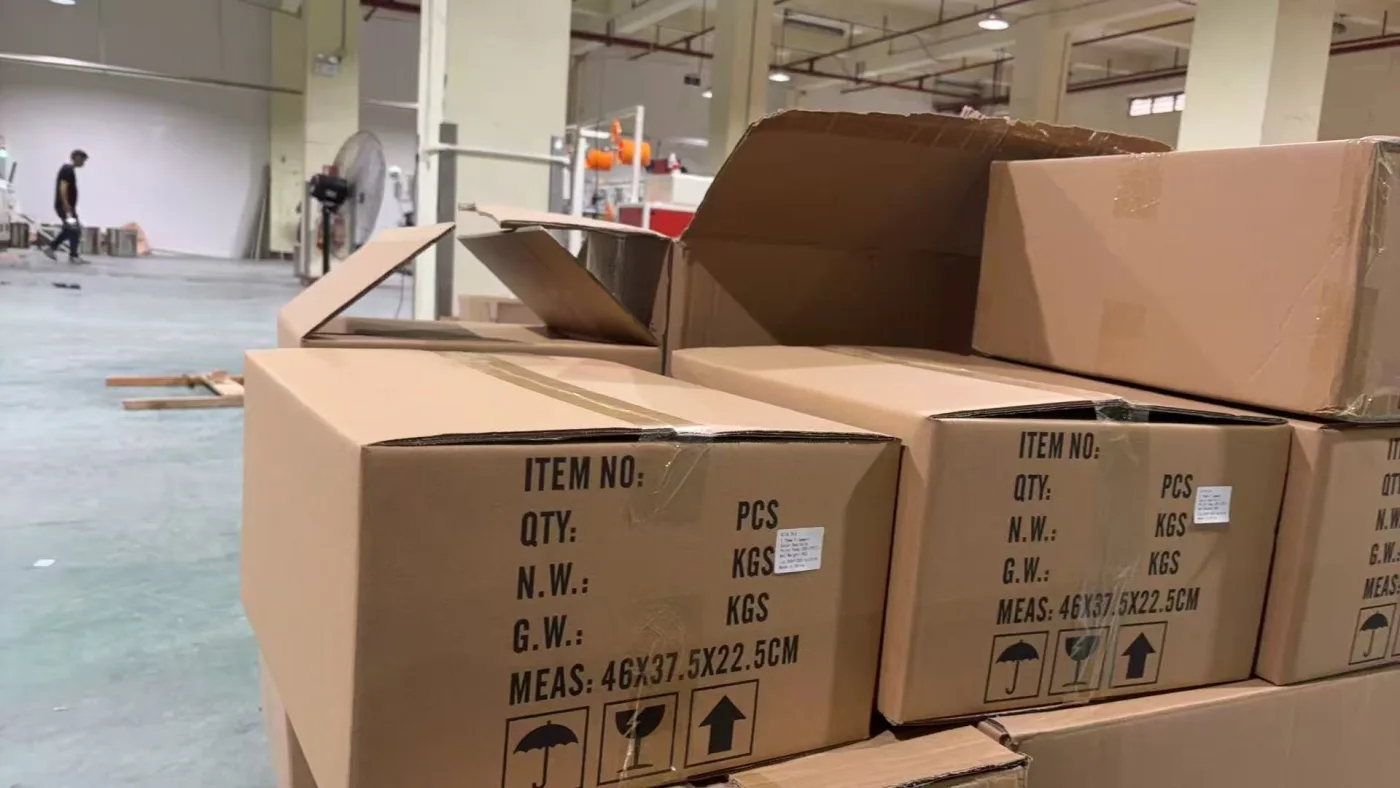
OEM packaging is part of the product specification
For wholesale filament and private label programs, packaging is not a decorative afterthought. It defines how the material is identified, protected, scanned, stored and received by the importer. A complete specification normally covers the spool or cardboard core, vacuum bag, desiccant, retail box, product label, barcode, batch code, master carton, pallet mark and export documents that must match the goods.
When these decisions are made before production, the order moves more smoothly from sample approval to bulk shipment. When they are left until the end, small missing items such as label language, carton quantity, barcode position or net weight wording can delay packing and create unnecessary rework.
Define the channel, market and MOQ before artwork
Different sales channels need different packaging priorities. Online retail usually needs a clear front panel, readable barcode and consistent SKU naming. Distributors care about carton marks, pallet labels and warehouse readability. Print farms may prefer simple bulk packing, but still need material labels, batch traceability and strong cartons.
Before requesting box artwork, confirm the destination countries, required languages, expected order quantity and whether the project uses DD3 standard packing or a private label design. MOQ should be discussed together with printing method: sticker labels, digitally printed boxes and offset cartons can have different cost and lead-time structures.
Build protection around moisture and transport risk
Filament packaging must first preserve print performance. Vacuum sealing, high-barrier bags and correctly sized desiccant help reduce moisture exposure during ocean freight, courier delivery and warehouse storage. The bag should seal cleanly around the spool without sharp edges or loose folds that can be damaged during handling.
Outer packaging should be selected for the real route. A lightweight retail box may look good on a shelf but still needs a master carton that resists stacking pressure. For export pallets, buyers should confirm carton count, gross weight, pallet height, corner protection and whether the receiving warehouse needs pallet labels on one side or multiple sides.
Control labels, barcodes and batch codes
The label connects brand information with factory traceability. At minimum, it should show material type, diameter, net weight, color name, SKU and storage advice. For OEM orders, decide whether the color name is a marketing name, a production code, or both. This avoids confusion when similar colors are reordered months later.
Barcodes should be tested at the actual printed size before mass production, not only checked on a screen. Batch codes should remain visible after the spool enters the retail box, or be repeated on the box label and carton mark. This makes it possible to link customer feedback with production records, retained samples and QC results.
Approve samples in a controlled sequence
A practical approval flow is: confirm filament material and color, confirm spool and bag, review label text, test barcode, approve retail box dieline, confirm master carton and then approve pallet marks. Digital artwork is useful, but a physical sample or detailed photo set often reveals text size, label alignment, color contrast and how the spool sits inside the box.
Keep the approved artwork, label files, barcode list, carton layout, sample photos and final SKU table in one project folder. For repeat orders, this record reduces the risk of using an old logo, wrong language version or outdated carton mark.
Export buyer checklist
- Logo files, brand colors, font rules and approved language versions.
- Material, diameter, net weight, spool type, bag type and desiccant size.
- Retail box size, label position, barcode format and SKU naming rules.
- Master carton quantity, carton dimensions, gross weight and pallet plan.
- Batch code position, retained sample process and QC record reference.
- Country of origin, import label needs, warehouse labels and platform listing data.
What DD3 needs for faster packaging confirmation
To speed up an OEM packaging discussion, send the target material, color list, estimated quantity, destination market, preferred packaging level and any existing brand guide. If you already have barcodes, carton marks or marketplace label rules, include them before sample packing starts.
The best OEM packaging is practical before it is beautiful: it protects the filament, supports scanning and storage, keeps the brand consistent and gives every shipment enough traceability for B2B after-sales work.